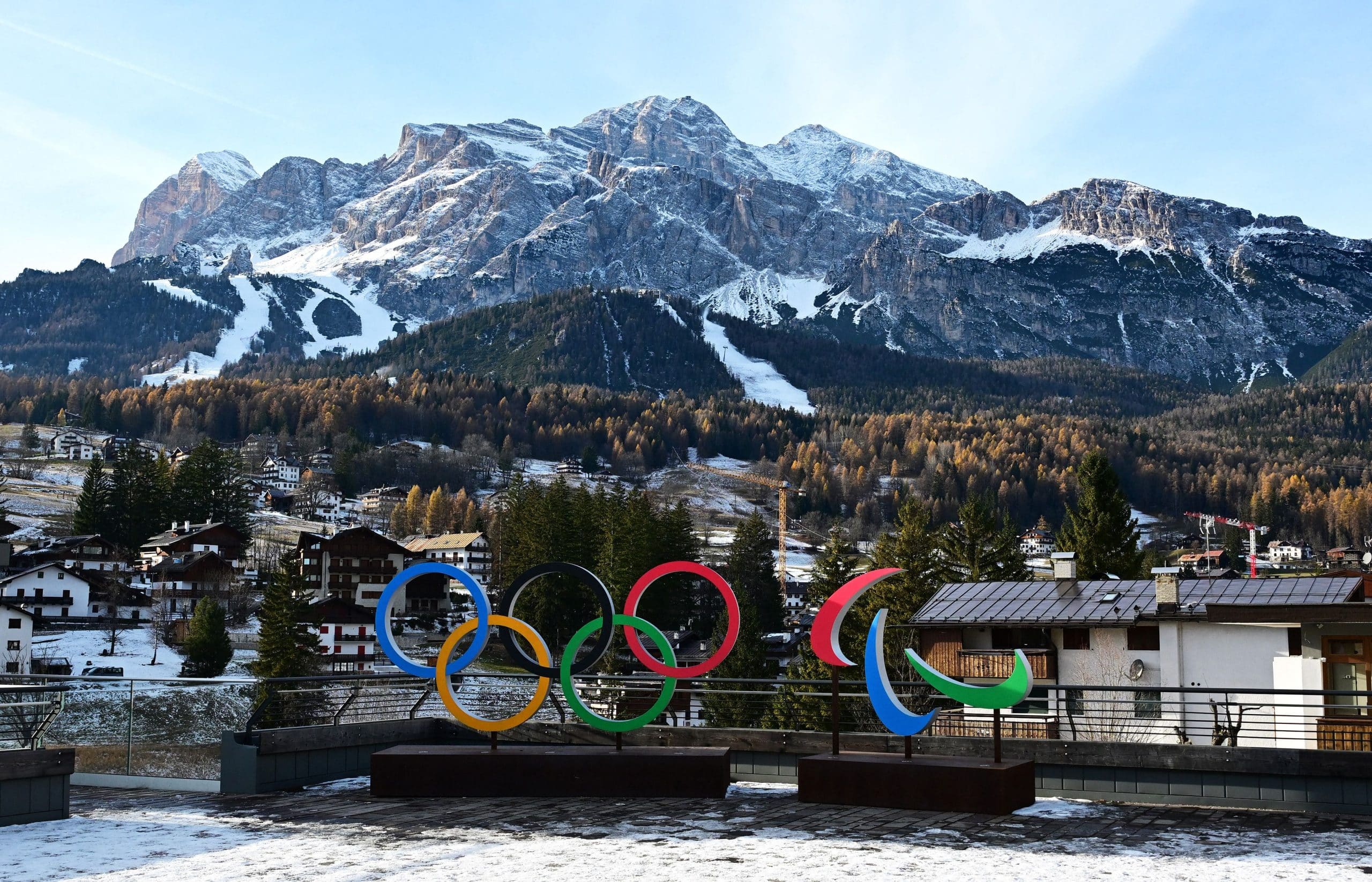
In a few months, Quebec will host one of Canada’s major sporting events. From February 27 to March 14, 2027, the Canada Winter Games will return to Quebec City, 60 years after the very first edition was held in the capital.
Our attention will then turn to the performances of young athletes proudly representing Quebec. As we cheer on the successes of some and the resilience of others, it will be easy to forget that these emotionally charged moments are just one—albeit highly visible—step in a journey and a commitment that never ends.
Before treating us to this spectacle, all of these athletes first fell in love with a sport they wanted to pursue. Inspired by coaches and fellow athletes, and supported by clubs, associations, and federations, they decided to devote countless hours to their sport, aiming for the highest levels.
The Games don't showcase individual performances, but rather the results of an entire sports ecosystem.
Paying attention to what happens in between
Quebec is entering the election campaign, and the coming weeks will be filled with pledges on health care, education, youth, the economy, the regions, and our quality of life. Sports deserve to be part of these discussions—not as just another promise to add to election platforms, but as a very real part of the Quebec we want to build in the years ahead.
A healthy ecosystem enables as many people as possible to participate in a positive and accessible environment. When it functions effectively, it supports those who want to improve and provides them with access—at the right time—to the resources and expertise they need.
This is the vision of the sports continuum championed by the Alliance of Quebec’s Regional Multisport Training Centers (ACREMQ): a sports system that builds from participation all the way to the elite level, where every step of the journey counts and where the regions play an essential role in the development of athletes and coaches.
We talk a lot—and rightly so—about the importance of getting people active. We’re also very proud of our athletes when they reach the highest levels.
These are not opposing paths. They all belong to the same athletic continuum.
A child discovers a sport and develops a passion for it. Some will continue to play it throughout their lives—for fun, to stay active, to spend time with friends, or simply because sports are part of their daily lives. Others will want to compete, push themselves, and go further. Among them, a few will eventually reach the highest level. The Quebec athletes we see competing at the highest level are not separate from our sports system. Excellence is not at odds with participation; it is its driving force and inspiration.
It is often the needs of elite athletes that drive innovations which then benefit the general public, and it is almost always the performances of elite athletes that inspire an entire generation
to take up a new sport. They are role models who inspire the entire ecosystem. Their journeys reflect what we have managed to build around them over the years.
No continuity without coaches
However, it is impossible to discuss the development of athletes without mentioning those who support them.
Coaches, too, have their own journey. The needs of a child just starting out in a sport are not the same as those of an athlete approaching the national level. As athletes progress, coaches, too, must be able to evolve, receive training, exchange ideas with their peers, work with specialists, and be exposed to environments that help them
grow.
This expertise is invaluable. A coach whom we support in his or her development does more than just contribute to an athlete’s journey. Over the years, he or she can influence dozens of young people, share knowledge, and help an entire club grow by instilling values and habits that extend far beyond sports.
Taking care of the continuum, then, means taking care of the people who bring sports to life every day. It means developing our coaches, valuing their expertise, and creating the conditions that allow them to continue practicing and growing here in Quebec.
Regions That Are Part of the Solution
Sports in Quebec are thriving throughout the province. The first practices, the first competitions, the first successes, and the first ambitions often take shape close to home.
As an athlete progresses, their needs sometimes become more specialized. This does not mean that every region must offer exactly the same services. Rather, it means that we must be able to connect the right resources at the right times and build bridges as an athlete’s or coach’s journey evolves.
It is precisely in this context that regional multisport training centers take on their full significance.
Located throughout Quebec, these centers bring expertise closer to the communities where athletes live and train. They work with coaches, clubs, federations, and partners in the sports system to facilitate access to resources, support development, and forge links with provincial and national experts
when necessary.
This proximity matters. It allows athletes to continue developing in their local communities for as long as possible, but it also enables coaches and organizations to build expertise that remains in the regions and benefits future generations.
The movement must also go in the other direction. What we learn in
high-performance environments should not be reserved for just a few athletes.
When knowledge and expertise flow back to coaches, clubs, and
regions, the entire sports community benefits.
This is where recreational sports and elite sports truly converge. One does not have to develop at the expense of the other. A strong sports community must be able to inspire people to get started, encourage them to stay, and—for those who wish to—enable them to take it further.
Looking Beyond 2027
When the Canada Games come to a close in March 2027, the spotlight will shift to something else. But sports development will have never stopped.
While we’ve been following the athletes’ performances in Quebec City, thousands of others across the province will have continued to train. Coaches will have continued their professional development, clubs will have been preparing the next generation of athletes, and young people will have discovered a sport for the first time.
Sports in Quebec will have continued to move forward, well beyond the spotlight.
Sports development is necessarily a long-term process. The results we celebrate today are based on the choices we make today. What we’ll want to celebrate in five or ten years depends on what we choose to build now. That’s why a long-term vision for sports is essential.
The election campaign that is now getting underway gives us an opportunity to discuss the role we truly want sports to play in a strong and healthy Quebec.
A healthy sports system enables people to discover sports, enjoy them, stay involved, and find their place within them. An effective sports system also knows how to support athletes and coaches who want to take their performance to the next level and who will become the role models we need in the future.
It is this continuum that we must protect in every region of Quebec. Because sports are for life. It starts here, in our clubs, our communities, and
our regions.
The Alliance of Quebec’s Regional Multisport Training Centers at a Glance
The Alliance of Quebec’s Regional Multisport Training Centers (ACREMQ) brings together the eight centers across Quebec that support athletes and coaches on their journey toward excellence. Together, the CREMs pool their expertise, resources, and best practices to support the development of high-performance sport and Quebec’s sports continuum. This collaboration makes it possible to offer high-quality support that is accessible and tailored to the realities of athletes and coaches in all regions of Quebec.
Elodie Brault
Executive Director, Excellence sportive Outaouais
Regions served: Outaouais, Abitibi-Témiscamingue, and Northern Quebec
Marie-Ève Nault
Director and Coordinator of Athlete Services, Excellence sportive Mauricie
Regions served: Mauricie and Saguenay–Lac-Saint-Jean
Pierre-Mathieu Dubois
Executive Director, Excellence Sportive Montérégie
Region served: Montérégie
Rémy Fontaine
Executive Director, Excellence Sportive Estrie – Centre-du-Québec
Regions served: Estrie and Centre-du-Québec
Stéphane Hamel
Director of Elite Athletics, Sports Laval – Excellence Sports Laval
Areas served: Laval and Côte-Nord
Mathieu Rousseau
Executive Director, Excellence Sportive Québec-Lévis
Regions served: Capitale-Nationale, Chaudière-Appalaches, Bas-Saint-Laurent, and Gaspésie
Laurier Thériault
Executive Director, Montreal Sports Council – Excellence Sportive Montréal
Service Area: Montreal
Simon Trudel
Executive Director, Excellence sportive Laurentides-Lanaudière
Regions served: Laurentides and Lanaudière