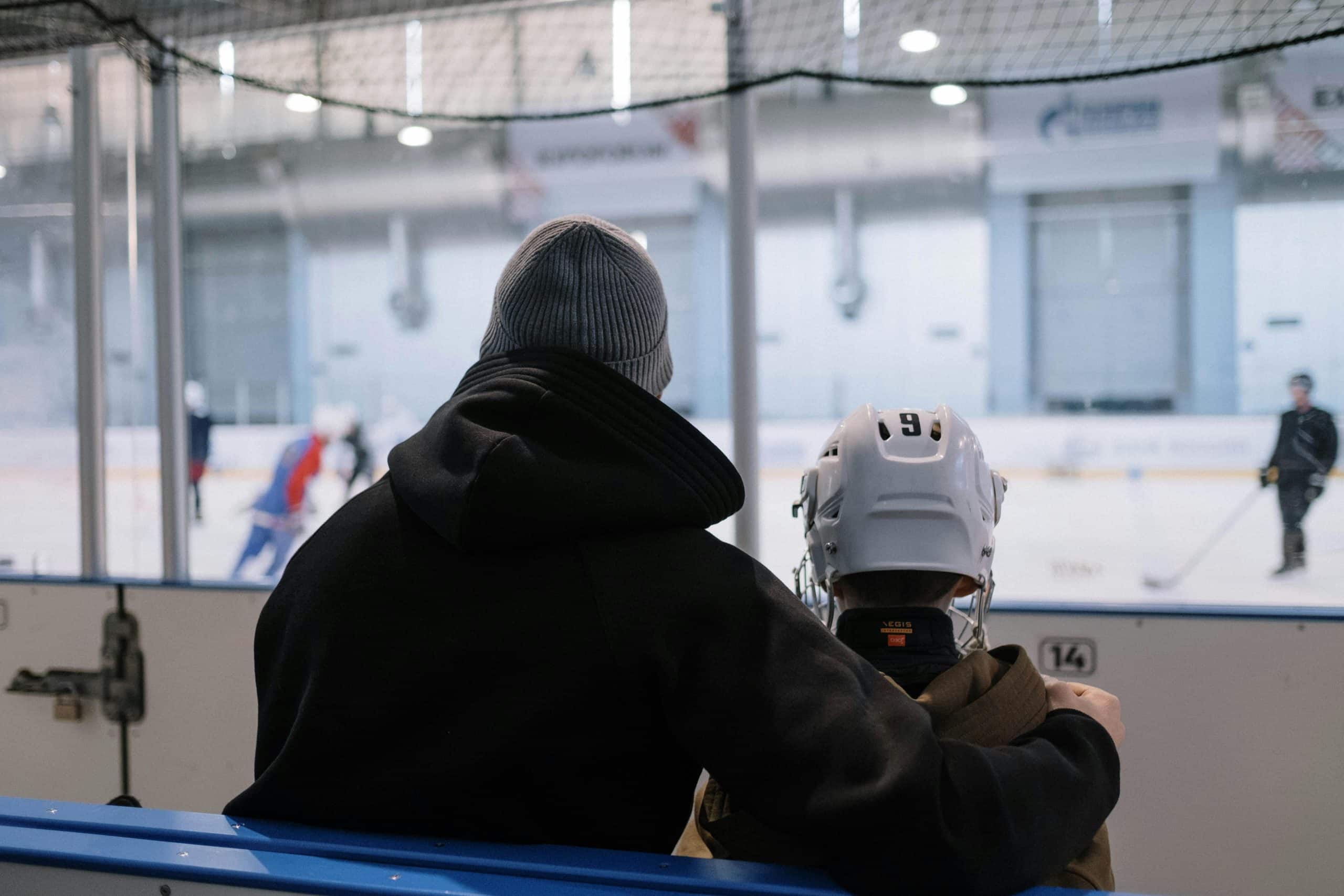
Dear parents of athletes,
I am addressing you today.
Sports are a game and should remain so, so that your child can truly thrive. Winning at all costs, the number of goals scored, making the team, or playing time should not be the ultimate goal of participating in sports, especially for young people who are still learning.
Once again, I am shocked to hear stories of toxic parents in sports circles. I am shocked and disappointed that adults—who are supposed to be role models for their children—engage in harmful behavior at the expense of their children’s well-being.
The most recent example was described by journalist Mikaël Lalancette in Le Soleil on July 28 regarding incidents that occurred at the Quebec Games, which are currently being held in Trois-Rivières.
How can you make toxic parents realize that they are toxic?
With four years of experience handling hundreds of complaints of abuse, harassment, neglect, and violence in sports and recreation in Canada—and as a former athlete and mother of two children who have played many team sports— I can say with certainty that some parents are the source of problems in sports environments, and those who pay the price are the young athletes, referees, and coaches.
So, dear parent, I’d like you to pay close attention to what follows.
When you scream and curse at the top of your lungs from the bleachers during a Timbits-level game, that’s toxic. When you text your teenage daughter’s coach at any time of day to tell him how to do his job, that’s toxic. When you yell at and threaten a referee—who is often a minor—that’s toxic. When you come to blows with parents from the opposing team during or after a game, that’s toxic. When you tally up your child’s playing time and that of
others, it’s toxic. When you openly criticize your child’s coach, it’s toxic. When you disparage a team after a game, it’s toxic. When you shout racist or homophobic insults at a child, it’s toxic. When you interfere with coaching strategies, it’s toxic. When you lie about your child’s physical condition to get them on the field, it’s toxic—and above all, negligent, even dangerous.
There are too many examples to list them all, but they are all real-life examples. You should know that through your inappropriate words and actions, you create discomfort, you hurt people, you frighten children, you set a bad example, you intimidate others unnecessarily, and you destroy dreams.
These harmful actions are significant and can have serious consequences in the sports community. I have seen children quit their sport due to a lack of motivation and/or undue pressure from their parents. I have seen referees step down from the roles they loved. I have seen coaches resign because of the pressure and harassing behavior of certain parents. I have seen internal conflicts between parents and clubs that have ruined their child’s sports experience.
So, dear parent, let your child play. Let them have fun with their friends. Let them experience failure. Let them cry. Let them pick themselves up. You don’t need to manage everything for them. You don’t need to attend every practice. Trust the coaches. Don’t yell at your child or the other children. Control your emotions. Respect the referees; they’re doing their best. Don’t count every minute your child plays. Instead, appreciate the fact that they’re happy when they play. Give positive encouragement to all the children. Finally, take a few minutes to review your parent code of conduct—it’s always good to refresh your memory.
If you’re not sure whether the hat suits you, ask the people around you…you might hear that you’re “a bit intense.” That’s when it’s time to take a step back and reflect on your actions—for the sake of your child’s well-being and athletic development.
Also, if after reflecting on the situation you realize that your words or actions might have hurt or upset someone, remember that apologizing can do a world of good for the person receiving your apology. It takes a good deal of humility and courage to admit when you’re wrong, but it’s very rewarding in the end. Give it a try,
just to see.
Finally, let’s remember that everyone involved in the sports community has a responsibility when it comes to the inappropriate behavior of certain parents. If positive and supportive interventions do not work with these toxic parents, there is a complaint mechanism within sports federations.
Enjoy the rest of the Quebec Games, and good luck to all the young athletes!
Isabelle Bastien
Criminologist, retired from Correctional Service Canada
Employee at ALIAS, a tip-off hotline
Board member of the Montreal Sports Council
Co-author and signatory of the Montreal Protocol for Kindness in Sport